Farm Fresh Flower Market Embroidery Review
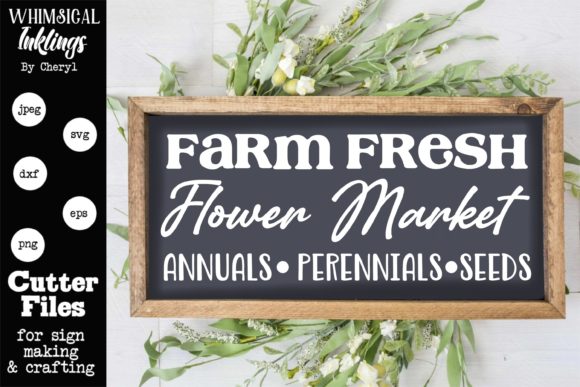
As a designer who spends half my life staring at stitch charts and the other half worrying about thread tension, I don’t just look for pretty pictures. I look for viability. When Farm Fresh Flower Market landed in my review queue, my first instinct wasn’t to immediately add it to my library, but to ask: does this actually work on fabric? The description suggests these are cutter files intended for sign making and crafting, which raises an immediate flag for embroidery enthusiasts. However, when we talk about Graphics and Illustrations that translate well into textile art, visual clarity is king. This piece has a distinct rustic charm that screams "farm-to-table," but turning that vector illustration into a functional machine embroidery design requires some serious strategic planning.
First Impressions and Visual Personality
The moment you see the artwork, it evokes a very specific mood: Saturday morning at a local farmers market, crisp air, and the vibrant pop of seasonal blooms. The layout feels organic yet structured enough to hold its shape. For designers looking to create a handmade product that feels authentic rather than mass-produced, this theme hits the right notes. It isn’t overly intricate or fussy; instead, it relies on strong silhouettes and recognizable floral elements that read well from a distance.
In terms of visual personality, Farm Fresh Flower Market leans heavily into the cottagecore aesthetic without being cliché. It feels approachable, warm, and inviting. This makes it an excellent candidate for personalized gift items where emotional connection matters more than technical complexity. Whether you are targeting Etsy sellers or running a boutique brand, the imagery supports a narrative of freshness and local craftsmanship. It doesn’t scream "high fashion," but it whispers "comfort" and "home," which are powerful drivers for consumer engagement in the handmade space.
Real-World Application: From Screen to Stitch
Let’s imagine a real scenario. You are preparing inventory for the upcoming holiday season or spring launch. You decide to create a line of custom embroidered tote bags and kitchen towels featuring Farm Fresh Flower Market. Why these items? Because they offer large, flat surfaces that allow the design to breathe. A canvas tote bag provides the perfect neutral backdrop for the likely bright color palette of fresh flowers.
When digitizing or selecting a pre-made embroidery file based on this illustration, you need to consider how the elements will translate. If the original graphic contains tiny text or extremely fine lines, those details often get lost in the hoop. However, if the design focuses on the bouquet arrangement or the market stall structure, it can be executed beautifully using a combination of satin stitch for outlines and fill stitch for petals and leaves. The result is a textured, tactile piece that elevates a simple cotton tote into a premium custom apparel accessory.
I also see strong potential here for nursery decor or baby items. A soft onesie or a muslin blanket featuring a simplified version of this market scene could become a cherished keepsake. The theme is gender-neutral and timeless, avoiding fleeting trends. For commercial embroidery projects, such as branding for a local flower shop or a farm stand, this design offers immediate recognition. Customers associate the imagery with quality and freshness, which transfers positively to the brand itself.
Where Caution Is Required
Not every surface is created equal, and Farm Fresh Flower Market has limitations depending on how you apply it. Avoid attempting this design on small hoop sizes unless you are willing to crop significant portions of the illustration. Trying to force a complex market scene into a 4x4 inch hoop often results in a muddy mess where individual flowers blend into indistinguishable blobs. Stick to medium to large hoops (6x10 inches or larger) to maintain clarity.
Textured fabrics like heavy tweed or bouclé wool can obscure the detail of the stitching. The irregular surface interferes with the needle penetration, leading to inconsistent stitches. Similarly, thin or stretchy fabrics require robust stabilizer support; otherwise, the density of the fill stitch areas might cause puckering or distortion. Dark fabrics present a unique challenge: if the original illustration relies on white space or light pastel backgrounds, you may need to add a cut-away stabilizer backing or use a contrasting underlay to make the colors pop. Without proper preparation, the design can look washed out or dull.
Curved surfaces, such as baseball caps or fitted hats, are risky. While possible, maintaining the integrity of the floral shapes around the curve requires advanced digitizing skills to adjust the angle and length of stitches dynamically. For beginners or standard production runs, stick to flat items like aprons, pillow covers, and tea towels where the fabric remains taut and stable during stitching.
Practical Designer Notes for Success
Before committing this design to your final product, there are several non-negotiable steps any professional should take. First, always test the design on scrap fabric that matches the weight and texture of your final material. This reveals issues with thread tension or stabilizer choice before you ruin a customer’s order. Check the stitch density carefully; if the design is too dense, it will feel stiff and cardboard-like after washing. If it is too sparse, it may look patchy and unprofessional.
Inspect small details closely. Are there any tiny lettering elements or decorative accents that might break or fray? If so, consider simplifying the design or removing those elements entirely. Test the design in black and white mockups to ensure contrast levels are sufficient. Even if your threads are vibrant, poor contrast between adjacent colors can cause visual vibration that hurts the eye.
Confirm whether the digital embroidery file includes proper licensing for commercial use. Since the source description mentions cutter files for sign making, ensure you have the rights to produce and sell finished goods. Do not assume that purchasing a graphic grants unlimited commercial embroidery rights. Always verify this to protect your craft business from legal issues.
Final Verdict
Farm Fresh Flower Market is a versatile asset that brings warmth and authenticity to textile projects. It works best when applied to flat, stable fabrics in moderate to large hoop sizes. By respecting the design’s limitations and focusing on high-quality execution, you can create finished product items that resonate deeply with buyers. Whether you are building a small shop product line or creating a unique holiday embroidery gift, this illustration provides a solid foundation for professional, appealing results. Just remember: good design starts with careful preparation and ends with precise stitching.