Wedding Invitation Flower Decorations: Graphics and Illustrations for Modern Publishing
In the world of digital publishing, the difference between a scroll-past and a click-through often comes down to visual hierarchy and editorial polish. As a designer who has spent years building content ecosystems for lifestyle brands and affiliate networks, I evaluate every graphic design asset not just by its aesthetic appeal, but by its functional utility in a real-world publishing workflow. Today, I am reviewing a specific set of Illustrations titled Wedding Invitation Flower Decorations, analyzing how these Graphics can elevate everything from newsletter headers to downloadable lead magnets.
The First Impression: Editorial Mood and Niche Alignment
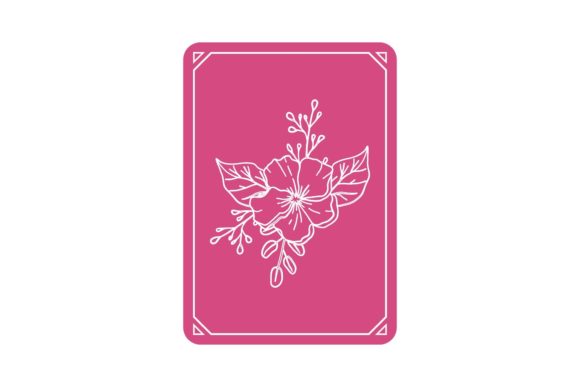
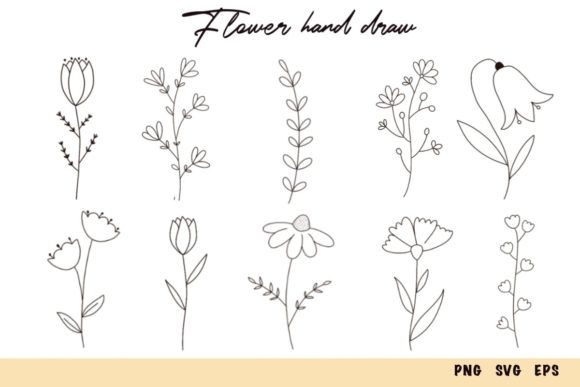
When you first load this asset pack, the immediate takeaway is its strong alignment with the lifestyle, romance, and event planning niches. The floral elements are not merely decorative; they carry a specific editorial weight that suggests elegance, celebration, and attention to detail. For bloggers and content creators operating in the wedding industry, bridal fashion, or even general lifestyle blogging, this design provides an instant mood setter. It feels modern yet timeless, avoiding the overly cluttered look that can make a website appear dated.
The visual language here supports a "clean feminine" aesthetic that is currently dominating social media feeds and Pinterest boards. This is crucial for content marketing because it signals to the reader that the content behind the image is curated and high-quality. Whether you are writing about wedding trends, DIY bridal projects, or relationship advice, these flowers provide a soft, inviting backdrop that encourages engagement without overwhelming the text. It strikes a balance between being a creative design piece and a functional background element.
Integrating Assets into Real Publishing Workflows
One of the biggest pain points for digital publishers is creating consistent visuals across multiple platforms. This asset pack addresses that need by offering versatility. The inclusion of multiple formats—specifically AI, EPS, SVG, JPG, and PNG files—means you can adapt the design assets to almost any part of your site’s architecture. Here is how I would deploy these graphics in a typical content strategy:
- Blog Featured Images: Use the high-resolution JPG or PNG versions as hero images for articles related to weddings, events, or spring aesthetics. The 1920x1280px canvas size is ideal for standard blog thumbnails, ensuring crisp display on desktop monitors.
- Pinterest Pins: These illustrations are perfect for vertical pin designs. You can overlay your headline text on the negative space of the floral arrangement to create eye-catching pins that drive traffic to your affiliate links or blog posts.
- Newsletter Headers: Email open rates are heavily influenced by preview text and header images. A clean floral banner at the top of your weekly digest adds a touch of professionalism and brand identity that subscribers recognize instantly.
- Digital Guides and Lead Magnets: If you are creating a PDF checklist like "The Ultimate Wedding Planning Timeline," using these flowers as section dividers or cover art makes the document feel like a premium product rather than a generic download.
- Social Media Stories: The vector formats (AI, EPS, SVG) allow you to resize the flowers without losing quality. You can place individual blooms as stickers or accents in Instagram Stories to maintain a cohesive visual theme.
Enhancing Content Performance and Reader Trust
Why does this matter for your bottom line? In affiliate marketing and online education, trust is currency. A website with inconsistent, low-quality, or mismatched imagery looks amateurish, which subconsciously lowers the perceived value of your recommendations. By using a unified set of modern design elements like these flower decorations, you establish a stronger brand identity.
This consistency improves visual hierarchy. When a visitor lands on your site, the familiar floral motif guides their eye toward your calls-to-action. It creates a seamless journey from a social media post to your landing page. Furthermore, the elegance of the design suggests that the content within is equally polished. Readers are more likely to click through to read a full guide or purchase a recommended product if the surrounding environment feels trustworthy and professionally maintained.
Strategic Placement for Maximum Impact
To get the most out of these Graphics, placement is key. They work exceptionally well in areas where you want to soften the user experience:
- Hero Sections: Use the main floral composition as a background for your homepage or category pages.
- Article Thumbnails: Create a series of thumbnails using different crops of the flowers to keep your archive looking fresh and varied.
- Downloadable Resources: Use the SVG files to create printable worksheets or journals. The vector format ensures that when users print these resources, the lines remain sharp and professional.
- Web Design Accents: Use smaller floral elements as bullet points, separator lines, or hover effects on buttons to add a subtle interactive layer to your website header or footer.
Where to Exercise Caution
No single design asset fits every scenario. While these flowers are beautiful, there are contexts where they may detract from your message. Avoid using them in serious, corporate, or technical niches where a minimalist or industrial aesthetic is required. Additionally, be careful when placing dense floral patterns behind heavy blocks of text. If the contrast is too low, readability suffers, which increases bounce rates.
Also, consider mobile optimization. On small screens, intricate details might get lost. Always test how the image scales down. If the floral details become muddy at thumbnail size, simplify the graphic by isolating a single bloom or using the transparent PNG version over a solid color background.
Practical Publisher Notes for Implementation
Before integrating this digital product into your live site, follow these technical checks to ensure optimal performance:
- File Format Selection: Use SVG for logos and icons to keep file sizes small and resolution infinite. Use JPG for photographs or complex gradients where compression artifacts are less noticeable. Use PNG when you need transparency for layering over other design elements.
- Typography Pairing: Test these flowers against various font styles. They pair beautifully with serif fonts for a classic editorial look, or script fonts for a romantic vibe. Ensure the text remains legible against the floral background by adding a subtle shadow or semi-transparent overlay.
- Performance Optimization: Even high-quality images can slow down your site. Compress your JPGs and PNGs using tools like TinyPNG before uploading. A faster site improves SEO rankings and user experience.
- Licensing Verification: Always confirm the commercial license terms. Most marketplaces allow use in monetized websites and affiliate content, but some restrict resale as a standalone design. Ensure you are compliant if you are selling templates or using this on a client’s paid platform.
- Brand Consistency: If your brand colors do not match the natural tones of the flowers, use the AI or EPS files to recolor the petals to fit your specific small business branding palette.
Ultimately, Wedding Invitation Flower Decorations is more than just a pretty picture; it is a tool for enhancing the editorial quality of your digital presence. By leveraging these Illustrations strategically, you can transform ordinary blog posts into immersive experiences that resonate with readers and drive meaningful engagement.