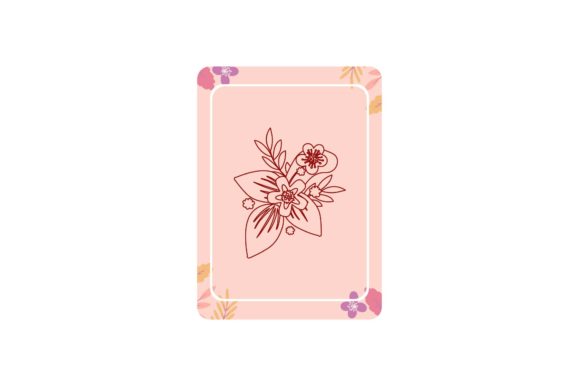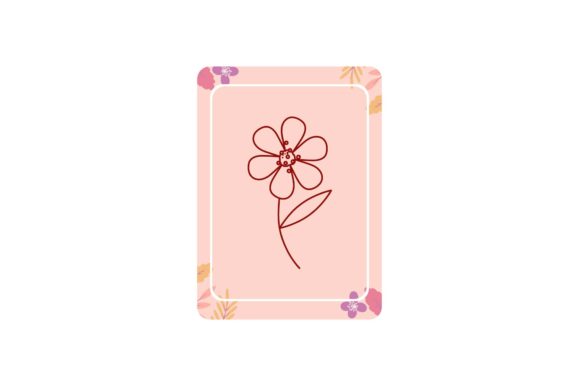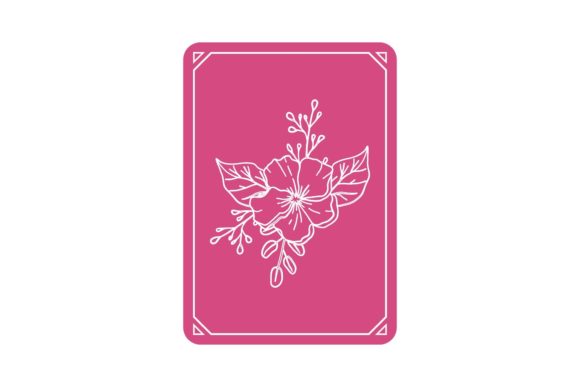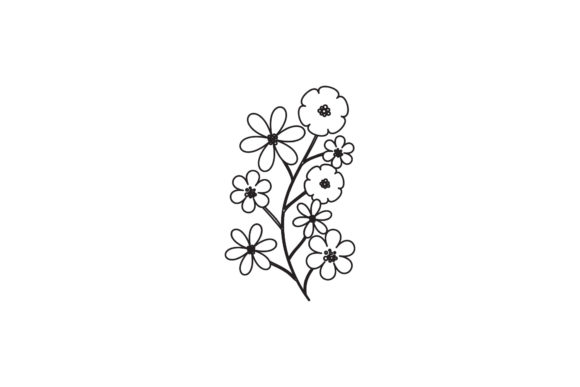
Flowers Pink Illustrations Graphics for Editorial Use
In the world of digital publishing, visual communication is not merely decorative; it is a critical component of user experience and brand trust. As a blog designer who has spent years refining the aesthetic balance between readability and engagement, I approach every new graphic design asset with a mix of optimism and skepticism. Today, I am reviewing Flowers Pink Illustrations, a vector-based graphic collection that promises versatility across logos, animations, t-shirt designs, and editorial layouts. But does it hold up under the rigorous demands of real-world content publishing?
The short answer is yes, provided you understand its specific editorial mood and application boundaries. This asset brings a distinct visual personality to your content strategy, but it requires intentional placement to maintain professional credibility.
First Impressions and Editorial Mood
When you first open the Flowers Pink Illustrations files, the immediate takeaway is their clean, modern aesthetic. The pink tones are carefully calibrated—they feel fresh and contemporary rather than overly saccharine or dated. For bloggers and publishers in lifestyle, wellness, beauty, or creative niches, this creates an instant sense of approachability and warmth. It signals to the reader that the content within is curated, polished, and designed with care.
However, this illustrations set is not neutral. It carries a feminine, artistic energy that works beautifully for brands aiming to build a strong brand identity rooted in creativity and softness. If your website’s current visual system is corporate, minimalist, or strictly monochromatic, these graphics might clash unless used as very subtle accents. They excel when they can take center stage in hero images or serve as the primary visual hook for social media posts.
Real-World Publishing Workflow Applications
Let’s look at how this design assets collection fits into a typical content creation workflow. Imagine you are preparing a month’s worth of content for a digital guide or a series of newsletter banners. The vector nature of Flowers Pink Illustrations means you can scale these elements without losing quality, which is essential for responsive web design where images must render sharply on everything from large desktop monitors to small mobile screens.
Here is how I would integrate these graphics into specific publishing channels:
- Blog Featured Images: Use the larger floral compositions as background textures behind bold typography. Because the files are editable, you can adjust the opacity or color palette to ensure the text remains legible against the creative design elements.
- Pinterest Pins: Pinterest is a visual search engine. These illustrations are perfect for creating eye-catching pins that stop the scroll. Their vector format allows you to create high-resolution pins that look crisp even when users zoom in.
- Digital Guides and Lead Magnets: When designing a downloadable PDF or eBook cover, these graphics add a layer of professionalism. A well-placed floral accent on the corner of a worksheet or the header of a digital download elevates the perceived value of the resource.
- Newsletter Graphics: Email clients often strip out complex CSS. Using simple, scalable vector shapes ensures your email headers look consistent across all devices. These illustrations can break up text blocks and guide the reader’s eye down the page.
- Social Media Content: For Instagram or Facebook posts, these graphics support content marketing efforts by providing a cohesive visual theme. You can use individual flower elements as bullet points or dividers in carousel posts.
Supporting Content Performance
Investing time in high-quality visuals directly impacts key performance indicators. By using Flowers Pink Illustrations, you establish a stronger visual hierarchy. When a visitor lands on your site, clear and attractive imagery helps them understand the tone of your content immediately. This clarity reduces bounce rates and increases the likelihood of click-throughs on affiliate links or product recommendations.
Furthermore, consistency is key to building reader trust. If your blog featured images, category thumbnails, and social media previews all share the same illustrative style, you create a recognizable brand identity. Readers begin to associate that specific floral aesthetic with your voice and expertise. Over time, this visual repetition becomes a powerful tool in affiliate marketing and content marketing, as audiences learn to recognize your content instantly in crowded feeds.
Strategic Placement and Best Practices
To get the most out of these graphics, you must be strategic about where they appear. They work best in areas where you want to evoke emotion or highlight creativity.
- Hero Images: Large-scale displays allow the details of the illustration to shine.
- Editorial Accents: Use smaller elements to decorate section breaks or quote boxes.
- Category Visuals: Create unique icons for different blog categories using variations of the floral motifs.
- Downloadable Resources: Enhance printables, worksheets, and planners with these decorative elements to make them feel like premium products.
Conversely, there are places where this asset should be used with caution. Avoid placing these illustrations on busy layouts where they compete with dense text. They may also feel out of place in serious professional niches such as finance, legal services, or B2B corporate communications, where a more sober visual language is expected. Additionally, be mindful of small mobile thumbnails; if the illustration is too intricate, it may become muddy at tiny sizes. In such cases, simplify the design or use solid color blocks instead.
Practical Publisher Notes for Implementation
Before integrating Flowers Pink Illustrations into your live website or campaigns, follow these technical checks to ensure optimal performance and compliance:
Test Across Devices: Always preview your designs on both desktop and mobile screens. Ensure that the graphics do not overwhelm the content on smaller viewports. Check how the image looks as a thumbnail in your blog feed to guarantee it retains its impact at reduced sizes.
Typography Pairing: Experiment with different font styles alongside the illustrations. Try pairing the organic shapes of the flowers with a clean sans-serif font for a modern look, or with a script font for a more elegant, personal touch. Test them beside serif fonts to see if they complement your existing editorial style. Avoid using handwritten fonts if the goal is maximum readability.
Contrast and Readability: Verify that there is sufficient contrast between the graphic elements and any overlaid text. Use a color picker tool to ensure your headline text stands out clearly against the pink tones. If necessary, add a subtle shadow or overlay to improve legibility.
Web Performance: Even though these are vector files, exporting them for the web requires optimization. Compress your final PNG or SVG exports properly to minimize file size without sacrificing quality. Slow-loading images can hurt your SEO rankings and frustrate users, so always run your final assets through a compression tool before uploading.
Licensing Verification: Finally, confirm the commercial license terms. If you are using these graphics on monetized websites, affiliate pages, or paid content products, ensure you have the right to use them commercially. Most marketplaces offer standard licenses for web use, but extended licenses may be required for merchandise or high-volume print runs. Always review the commercial license agreement to protect your business.
Final Verdict
Flowers Pink Illustrations is a versatile and high-quality vector design asset that can significantly enhance the visual appeal of your digital publications. Whether you are creating a Canva template for easy editing, designing a lead magnet to grow your email list, or simply sprucing up your website header, these graphics offer the flexibility and polish needed for professional results. By understanding their strengths and applying them thoughtfully within your web design strategy, you can create a more engaging, trustworthy, and visually cohesive online presence.